The Timeless Appeal of Vertical Floral Vine Silhouettes
There’s a reason why the vertical floral vine silhouette has remained a cornerstone of elegant design for generations. It’s a visual element that speaks a universal language of growth, nature, and delicate beauty. In its clean, black minimalist form, this silhouette transcends trends, offering a versatile and sophisticated tool for creators across countless disciplines. Think of it not just as a clipart file, but as a foundational piece of design storytelling—a way to frame a wedding invitation, add organic movement to a brand mark, or bring a touch of nature to a laser-cut project. Its power lies in its simplicity and its incredible adaptability.
Understanding the Anatomy of This Design Asset
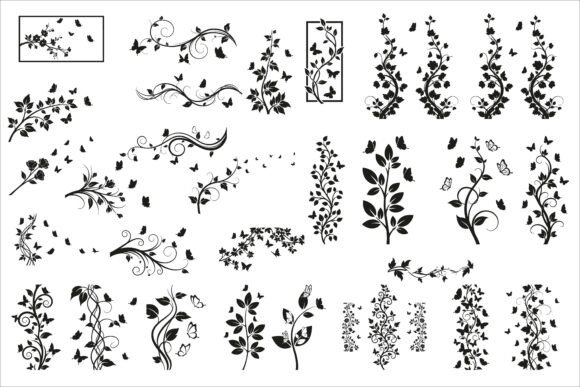
At its core, a vertical floral vine silhouette is a study in contrast and flow. The deep black against a clean background creates immediate visual impact, while the intertwining stems, leaves, and blooms guide the eye along a graceful, vertical path. The addition of small butterflies introduces a dynamic, whimsical counterpoint to the structured botanical forms. This isn't a chaotic jungle scene; it's a curated composition. The style is intentionally minimalist, stripping away intricate details to focus on the essential, elegant outlines. This clean aesthetic is what makes it so effective across different mediums—it doesn't compete for attention but rather enhances and frames the core content.
The true value of a premium silhouette bundle like this is in its versatility and professional preparation. A comprehensive package typically includes a range of file formats—SVG, PNG, EPS, DXF, and JPG—each serving a specific purpose. SVG and EPS files are vector-based, meaning they can be scaled to any size without losing quality, from a tiny sticker to a massive wall mural. PNG files offer transparency for layering in digital designs. JPGs are ready for immediate use in documents and social media. Having 28 variations of each format means you have a rich library of compositions to choose from, ensuring you can find the perfect vine length and butterfly placement for every project.
Where This Silhouette Truly Shines: Practical Applications
The applications for this type of botanical artwork are remarkably diverse. For wedding stationery and decor, it’s unparalleled. Imagine a vertical vine running down the side of a ceremony program, framing the couple's names on an invitation, or as a delicate border on a menu card. For laser cutting and Cricut crafts, the clean lines are ideal. The silhouette can be cut from wood, acrylic, or cardstock to create intricate cake toppers, decorative wall panels, or elegant gift box embellishments. In the realm of branding and marketing, a simplified version of the vine can serve as a sophisticated brand element for businesses in the wellness, beauty, floral, or boutique hospitality sectors, adding a touch of organic elegance to logos, business cards, and packaging.
Digital creators will find it invaluable for social media graphics and website design. Use it as a subtle border for Instagram stories, a decorative element in email headers, or a background pattern for a blog. The minimalist black style ensures it works seamlessly with a wide range of color palettes and other design assets. For print projects like scrapbooking, journaling, and creating printable wall art, the silhouette adds instant sophistication. It can act as a standalone piece or be layered with other elements to build a rich, textured collage. Even in personal projects like custom tattoo designs or vinyl stickers for laptops and water bottles, the vine’s timeless form translates beautifully.
Integrating the Silhouette into Your Design Workflow
Choosing and using a design asset like this effectively requires a bit of strategy. First, consider the personality of your project. Is it romantic and soft, or modern and graphic? The floral vine silhouette leans toward classic elegance but can be styled to feel contemporary with the right typography and layout. For a wedding suite, you might pair it with a delicate script font and a soft color palette. For a modern brand, you could combine it with a clean sans-serif font and stark, high-contrast colors.
Next, think about visual hierarchy and composition. The vertical nature of the vine makes it perfect for framing. Use it to draw the eye toward a central message or to balance a layout. Its flowing lines can soften hard geometric designs or add structure to a busy background. Always test how it interacts with your primary text and other graphic elements. Does it enhance readability or distract from it? In most cases, its minimalist form supports the main content rather than overshadowing it.
Finally, pay attention to the technical details. When working with the vector formats (SVG, EPS, AI, PDF), you can easily edit colors, adjust individual line weights, or isolate specific elements like a single branch or butterfly. This is where the asset’s true flexibility is unlocked. For print projects, ensure you’re using the highest resolution files available to maintain crisp, clean edges. For digital use, PNG files with transparency offer the most flexibility for layering. Understanding these file types transforms the silhouette from a static image into a malleable component of your design toolkit.
Elevating Projects with Botanical Elegance
Ultimately, incorporating a vertical floral vine silhouette into your work is about adding a layer of refined, natural beauty. It’s a design decision that communicates attention to detail, a connection to nature, and an appreciation for timeless aesthetics. Whether you're a small business owner crafting a cohesive brand identity, a designer building a client's wedding suite, or a hobbyist creating personalized gifts, this silhouette provides a reliable and beautiful foundation. Its strength is in its quiet sophistication—it doesn’t shout for attention but consistently elevates the work it inhabits, making it a genuinely valuable addition to any creative professional's asset library.